
Spot The Insect: Dust Mite, Tick Or Bed Bug?
One of the most difficult parts of dealing with pests is actually identifying the pest. What makes this so difficult is that there are thousands of different species of insect. Many of these also look exactly alike, and have only minor differences. For example, three pests that people always confuse are the dust mite, tick and bed bug. This guide will help you figure out which pest is causing you headaches.

What there is to know about dust mites
What you first have to understand is that there’s almost no chance that you’re dealing with dust mites. The reason why is simple. These bugs are basically invisible to the naked eye. Dust mites are about a quarter of a millimetre long and can only be seen through a microscope.
These household insects are actually quite interesting. First of all, they are not actually insects. Because these bugs have eight legs, they are technically classed as arachnids (just like spiders). Also, it’s said that a teaspoon of dust may contain as many as 3000 mites. Not only that, some people claim that the weight of your mattress actually doubles every ten years. This is supposedly due to dust mites infestation (but has not been proved).
While this might sound disgusting, you do not have to worry about these pests. Dust mites do not spread any known diseases. They are only an issue for people who have dust mite allergies, otherwise these bugs are essentially invisible and harmless.
Ticks and bedbugs compared
This leaves only the tick or bed bug. These are easy to distinguish between. First of all, there are different types of ticks. These categories are broken up into “hard” and “soft” ticks. Soft ticks have a soft grey body which expands and fills with blood as the tick feeds. Hard ticks have a hard body which does not expand.
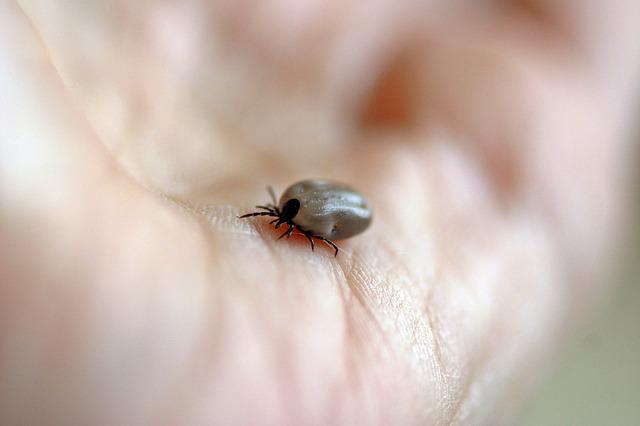
Soft ticks include the sheep or deer tick. Hard ticks include the hedgehog tick, and the British or fox tick. The way to know if it’s a tick or bed bug is easy. Ticks will bite you and not let go. So, you will see the tick or ticks on you. If it’s a soft tick, it’s body will expand and turn a dark shade of grey. Hard ticks are coloured yellow.
Distinguishing between a tick or bed bug is even easier. You will very rarely spot bed bugs. These bugs come out in the depths of the night to feed and are hard to get rid of. They bite you and then go back into hiding. The main way of spotting them is by looking at their bites.
Bed bugs bites occur on exposed parts of your body and are usually above the waist. This includes places such as your face, neck, arms and torso. These bites are usually about a quarter of an inch in size and leave behind a large red welt. They also usually appear in a zigzag pattern.
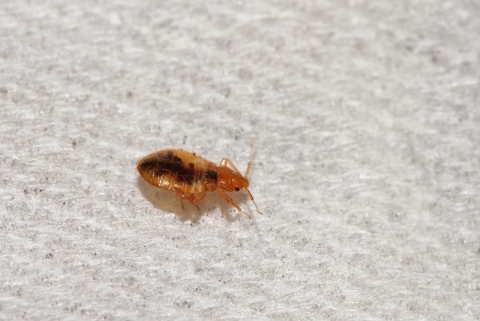
Ticks are picked up outside and will not infest your home. Bed bugs get into your home on the other hand, can become an infestation. Pest control can sort out this problem for you.